

Cart
0
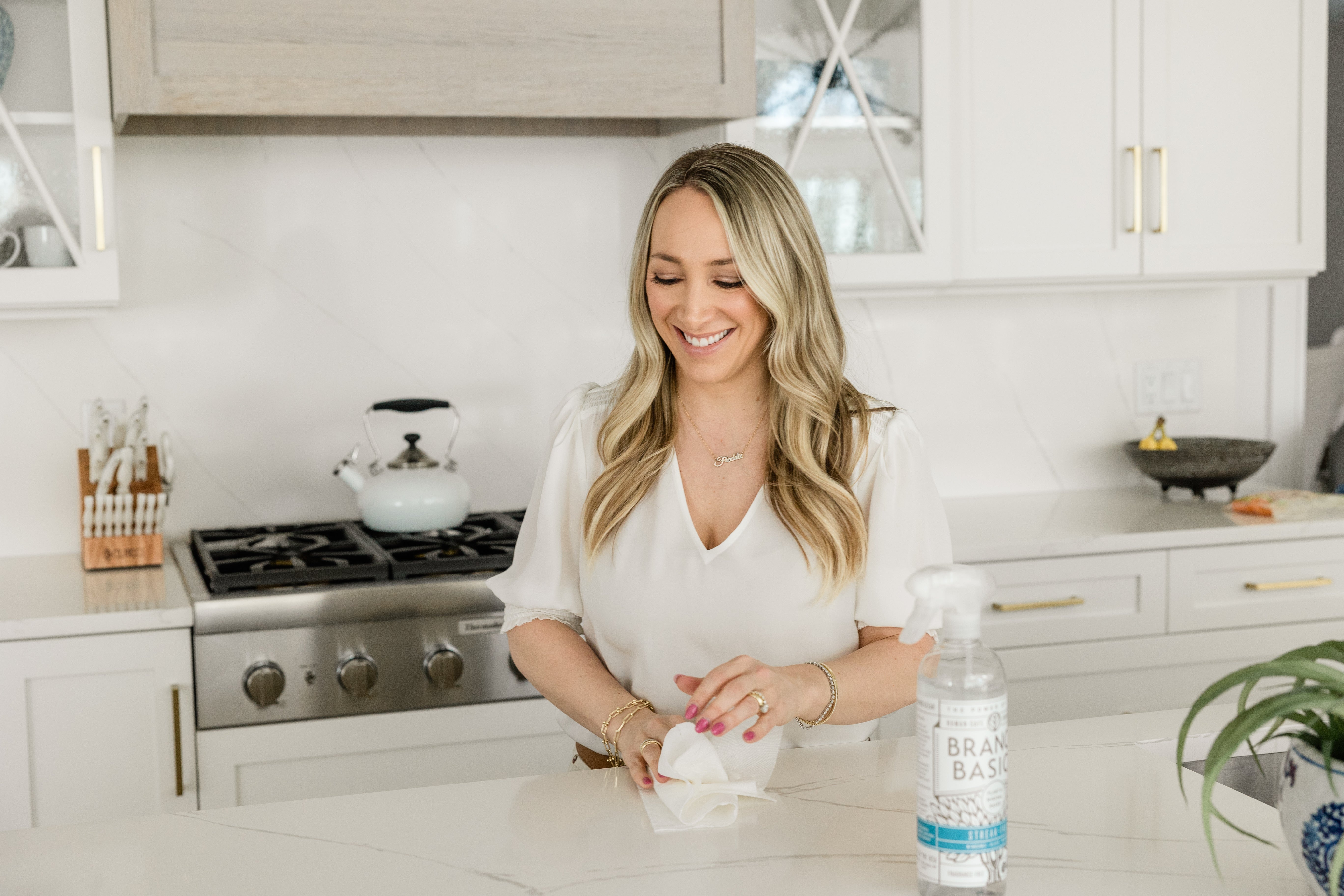
If you have just started looking into non-toxic living, you have probably already hit the wall: too many opinions, too many scary headlines, and a growing sense that your entire house needs to go in the trash tonight. Let me take that off your plate. Learning how to start non-toxic living is not about fear or perfection. It is about knowing which few changes move the needle, and starting there.
Here is the beginner-friendly roadmap I give everyone who asks, “where do I even begin?”
You Don’t Need to Throw Everything Out Today
First, a deep breath. An all-or-nothing purge is the fastest way to burn out and give up. Non-toxic living for beginners works best as a series of small, sustainable swaps, usually as you run out of something and replace it with a cleaner version. Progress compounds. Guilt does not.
Start Where Your Body Has the Most Contact
The guiding principle is simple: prioritize frequency and contact. The products you use most often, and the ones that touch your skin, your food, your air, and your water most directly, are where reducing your toxic load pays off first. Everything else can wait its turn.
Step 1: What You Put On Your Skin
Your skin absorbs, it is not a sealed barrier, so personal care is prime real estate. Start with the high-use items you reapply without thinking: deodorant, body lotion, and the hand soap in every bathroom. Watch for “fragrance,” parabens, and phthalates, three of the most common culprits, and swap them for cleaner versions one at a time.
Step 2: What You Breathe
You breathe around 20,000 times a day, so indoor air quality is a heavy hitter most beginners overlook. The single easiest win is cutting synthetic fragrance: toss the plug-ins and scented candles, open your windows regularly, and let your home actually air out. Your nervous system and your lungs will notice.
You can also use an air filtration system you trust, like Air Doctor.
Step 3: What You Drink and Eat
Think about what you take in, not just what you put on. You drink, cook with, and bathe in your water every day, which is why a good water filter earns its spot near the top of the list. Food works the same way, and a few simple rules go a long way:
-
Buy better versions of what you already eat. Organic produce, and where you can, regenerative organic. For meat and dairy, look for 100% grass-fed or pasture-raised.
-
Make more, buy less. The more of your staples you shift from packaged to homemade, the fewer additives your body has to sort through, and it is usually cheaper too. Think homemade granola bars, chocolate pudding, or trail mix from bulk nuts and a handful of Hu chocolate chips.
-
Build plates around protein, fiber, and healthy fats. That trio keeps you full and steady, and it naturally crowds out the processed stuff.
None of this is about a perfect pantry. It is about steadily trading the packaged stuff for real food, one grocery run at a time.
Step 4: What You Clean With
Look under your sink. Conventional cleaners are often a cocktail of synthetic fragrance and harsh chemicals that linger in your indoor air long after you have wiped the counter. Swapping your everyday all-purpose spray for a fragrance-free, non-toxic cleaner is a fast, satisfying win, and you will feel the difference in the air.
The One Rule That Makes It Sustainable
Swap one thing at a time. As each product runs out, replace it with a cleaner version instead of overhauling everything at once. That is how non-toxic living actually sticks, small choices that quietly add up to a much lighter load.
Want a shortcut past the label-reading? Every product we carry has already cleared a three-part vetting process against more than 200 ingredients we will not allow. Start with the foundations at nontoxichomes.com, one swap at a time.

