

Cart
0
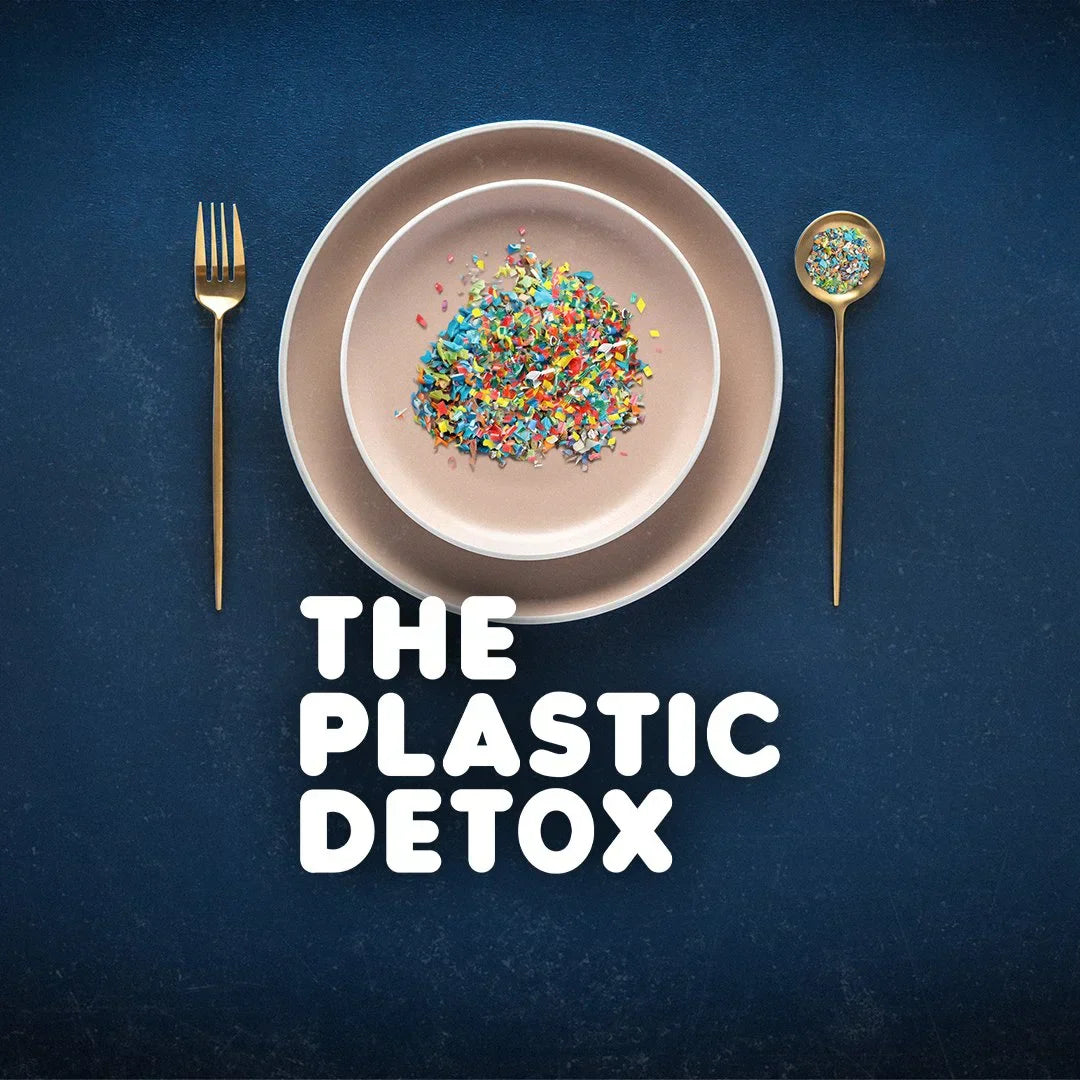
The Plastic Detox on Netflix: Why I Was Not Surprised by a Single Thing in It
If you have watched the new Netflix documentary The Plastic Detox and felt your jaw drop, I understand. For most people, the connection between plastic packaging, personal care products, and infertility is genuinely shocking.
For me, it was not. Not because I am cynical. Because I see this every day.
This is worth watching. And it is worth understanding beyond the surface level, because the conversations it is starting are conversations functional health practitioners have been trying to have for years.
What the Documentary Actually Shows
The Plastic Detox follows six couples facing unexplained fertility challenges, some of whom have spent years trying to conceive. Under the guidance of environmental and reproductive epidemiologist Dr. Shanna Swan, they embark on a three-month effort to dramatically lower their daily exposure to plastic-related chemicals in hopes of better health markers and, ultimately, pregnancy. Netflix Tudum
The experiment is not complicated. The couples remove plastic items from their homes, avoid plastic packaging, replace synthetic clothing made from polyester, nylon, and spandex with cotton, wool, and other natural fibers, swap personal care products for fragrance-free alternatives, and avoid touching plastic-coated receipts. PIRG
The focus is on two specific categories of chemical: phthalates and bisphenols, two major groups of endocrine-disrupting chemicals that have been linked to a variety of health problems. Netflix Tudum
The results, after 90 days: five of the six couples saw decreases in their phthalate levels, the men increased their sperm counts, and three women became pregnant. By week twelve, sperm count had noticeably improved among the participants. Bisphenol levels fell to undetectable levels for many couples, and while phthalates were more stubborn, a meaningful reduction in the average was recorded. Plastics TodayPackaging Europe
Dr. Swan herself is clear that this is a pilot study, not a randomized controlled trial. Six couples do not produce statistically definitive conclusions. But the direction of the data is consistent with decades of existing research. And the fact that measurable biological change happened in 90 days, just from changing products and packaging, is the part that deserves serious attention. I see this ALL the time in my practice.
Why Fertility Is the Right Lens for This Conversation
Fertility is the storyline that makes people watch. But what is actually happening in this documentary goes far beyond reproduction.
Phthalates and bisphenols are endocrine disruptors. That means they do not just affect one system. They interfere with the hormonal signaling that governs everything: metabolism, thyroid function, immune regulation, energy, mood, and yes, reproductive health. The fertility lens is useful precisely because fertility is one of the most measurable, visible expressions of whether the endocrine system is functioning correctly.
In the past 50 years, global fertility rates have dropped by over 50%, and Dr. Swan's research links this decline closely to harmful chemicals in plastic. That is not a niche finding from one lab. It is a pattern documented across populations, countries, and decades. Env Health
The documentary also touches on something that conventional medicine tends to skip past: the label "unexplained infertility." For the couples in the film, every standard diagnostic test had come back without an answer. They had been told they were fine. The documentary highlights growing concerns about the potential impact of environmental toxins like plasticizers on reproductive health, as research has linked exposure to endocrine disruption and declines in sperm quality. However, experts note that reducing plastic exposure is just one piece of overall preconception health. National Today
That last part matters. Plastic is one driver. Not the only one.
What the Documentary Gets Right
The film is not asking anyone to live in a cabin without running water. The swaps are practical: glass food storage over plastic containers, a stainless steel water bottle instead of a plastic one, personal care products without synthetic fragrance, natural fiber clothing worn against the skin.
By switching to natural fibers, avoiding personal care products that list fragrance as an ingredient, and opting for glass storage in the kitchen, the documentary's participants saw measurable drops in their internal chemical levels. PIRG
This is the part that the functional health world has understood for a long time: exposure is cumulative. You are not getting one dose of one chemical and experiencing one consequence. You are getting continuous, low-level exposure from dozens of sources every single day, across years and decades. The body does not evaluate each exposure in isolation. It responds to the total load.
The documentary captures this well. It also captures something that I find particularly important: these changes are not about being perfect. They are about reducing interference. Your hormones are not confused. They are responding exactly as they should to a constant stream of chemical signals that are not supposed to be there. Give the system less to contend with, and it starts doing what it was designed to do.
What the Documentary Leaves Out
This is where I want to be honest with you, because the functional picture is bigger than plastic.
Plastic and its chemical compounds are one category of endocrine disruptors. But the biological terrain in which those disruptors operate matters enormously. The documentary does not spend meaningful time on:
Gut health. The gut is one of the primary pathways through which the body processes and eliminates excess hormones, including the endocrine-disrupting compounds you absorb from plastic. A compromised gut microbiome compromises that clearance pathway. You can reduce your plastic exposure and still struggle hormonally if the gut is not doing its job.
Processed food and blood sugar. Our daily lives are filled with plastics, from food and plastic packaging to bathroom products, clothing, and children's toys. But the food inside the plastic packaging is its own issue. Ultra-processed food drives chronic inflammation, blood sugar dysregulation, and gut dysfunction. All of which affect hormone function. You cannot separate the packaging from the contents and call the job done. OPS Productions
Chronic stress. Cortisol is a hormone. Chronic stress chronically elevates it. Chronically elevated cortisol competes with and suppresses sex hormone production. No amount of switching to glass containers addresses that layer if it is not also being addressed.
Nutrient deficiencies. Folate, zinc, selenium, vitamin D, magnesium, B vitamins: these are the raw materials for hormone production and for the body's detoxification pathways. If they are low, the ability to process and clear the disruptors you are working to reduce is also low.
The documentary's 90-day intervention is compelling. It is also a starting point, not a complete picture. For couples who did not conceive during the study, or who found their levels stubborn to shift, those additional layers are where I would look next.
The Line That Needs to Be Said Out Loud
You cannot out-supplement a toxic lifestyle.
I say this with care, because most of the people I work with have already spent years trying. They have done the fertility protocols. They have taken the targeted supplements. They have followed the diets. And they have not seen the results they were hoping for, because the underlying interference was never addressed.
Supplements support a system that is being given the conditions to function. They do not override a system that is being continuously disrupted by its environment. This is not a judgment. It is biology. And it is one of the central reasons that reducing toxic load, actual, measurable, product-by-product reduction, is not optional in any serious approach to hormone and reproductive health.
The documentary makes this case visually and emotionally. The science behind it is not new. What is new is that 170 million people now have access to it in 90 minutes.
What to Actually Do With This Information
If the documentary lit something up for you, here is where to start, in order of impact.
Audit your personal care products first. These are the highest-contact, highest-absorption exposure category most people have. Fragrance is the most significant red flag: it is a legal umbrella for dozens of undisclosed chemical compounds, many of which are phthalates. Deodorant, body wash, moisturizer, shampoo, and anything else you leave on your skin for hours at a time deserve a close look.
Switch food storage. Move perishable and acidic foods out of plastic containers and into glass. Stop microwaving in plastic. Stop storing hot food in plastic. The leaching rate of BPA and phthalates increases significantly with heat.
Address the diet. Organic produce for the high-pesticide categories. Fewer ultra-processed foods. Not because pesticides are the same as plasticizers, but because total toxic load is a cumulative number, and your liver and gut are working to clear it all. Less in means more capacity.
Test, do not guess. A functional hormone panel, a stool test, and a toxin assessment give you a real picture of what is actually happening in your body, and where the intervention needs to be most targeted. The Hormone Deep Dive at Non Toxic Homes is designed for exactly this: identifying what is driving dysfunction before trying to fix it.
Use the shop as your shortcut. Every product in the Non Toxic Homes shop has been through a three-part vetting process: ingredient review against a 200-plus unapproved ingredient list, sourcing check, and manufacturing standards review. Synthetic fragrance is on our Never list. So are parabens, phthalates, and PFAs. When you shop here, the research is already done. You do not have to decode an ingredient panel for every swap.
The Bigger Point
Plastic is in the conversation now in a way it was not two months ago. That matters. The documentary is imperfect, as all documentaries are, but the direction of the science is sound, and the practical argument it makes, that reducing exposure produces measurable biological results, is one that functional health has been building for decades.
What I want you to take from it is not fear. Fear does not move people toward sustainable change. What I want you to take from it is clarity.
Your body is not broken. It is responding rationally to an irrational amount of chemical interference. When you reduce the interference, the body often responds. Not always, not immediately, not in isolation from everything else. But often enough that ignoring it is no longer a defensible position.
We do not need more protocols. We need less interference.
Start there.
Frequently Asked Questions About Plastic, Endocrine Disruptors, and Fertility
What are phthalates and where are they found? Phthalates are chemical plasticizers used to make plastic soft and flexible. They are found in food packaging, personal care products, synthetic fragrance, shower curtains, vinyl flooring, and many consumer products. They are classified as endocrine-disrupting chemicals because they interfere with hormonal signaling in the body, particularly affecting sex hormone production and function.
What are bisphenols and is BPA-free packaging actually safer? Bisphenols are chemicals used to harden plastics, found in water bottles, food containers, the lining of cans, and thermal paper receipts. BPA is the most well-known, but BPA-free products often replace it with structurally similar compounds like BPS or BPF that carry similar concerns. Choosing glass, stainless steel, or unlined packaging is a more reliable strategy than relying on BPA-free labeling.
Can reducing plastic exposure actually improve fertility? The Netflix documentary The Plastic Detox documented that in a 90-day pilot study, reducing exposure to phthalates and bisphenols was associated with measurable decreases in those chemicals in participants' urine, improved sperm metrics in most of the men, and pregnancy in three of six couples. The study is a pilot, not a controlled clinical trial, but the results are consistent with a broader body of research on endocrine disruptors and reproductive health.
Does plastic exposure only affect women trying to conceive? No. The documentary documents significant declines in male sperm quality and count linked to endocrine-disrupting chemical exposure. Phthalates in particular have been associated with reduced testosterone, lower sperm concentration, and impaired sperm motility. Toxic load and reproductive health are relevant for both partners.
What is the Toxin-Free Reset and how does it relate to what the documentary covers? The Toxin-Free Reset is a practitioner-led program at Non Toxic Homes that audits the products you are currently using, identifies your specific sources of toxic load, and builds a personalized swap plan based on your health history and lifestyle. It covers the same categories the documentary addresses, personal care, cleaning products, kitchen and home, and connects each swap to your individual health picture rather than offering a generic list.
Is it realistic to eliminate plastic exposure completely? No, and that is not the goal. Microplastics are present in air, water, and food supply in ways that are outside individual control. The goal is meaningful reduction of the exposures that are within your control, particularly the daily, high-contact ones like personal care products and food storage. Small, consistent changes reduce cumulative load over time. That is where the evidence points, and that is where the effort is worth directing.

