

Cart
0
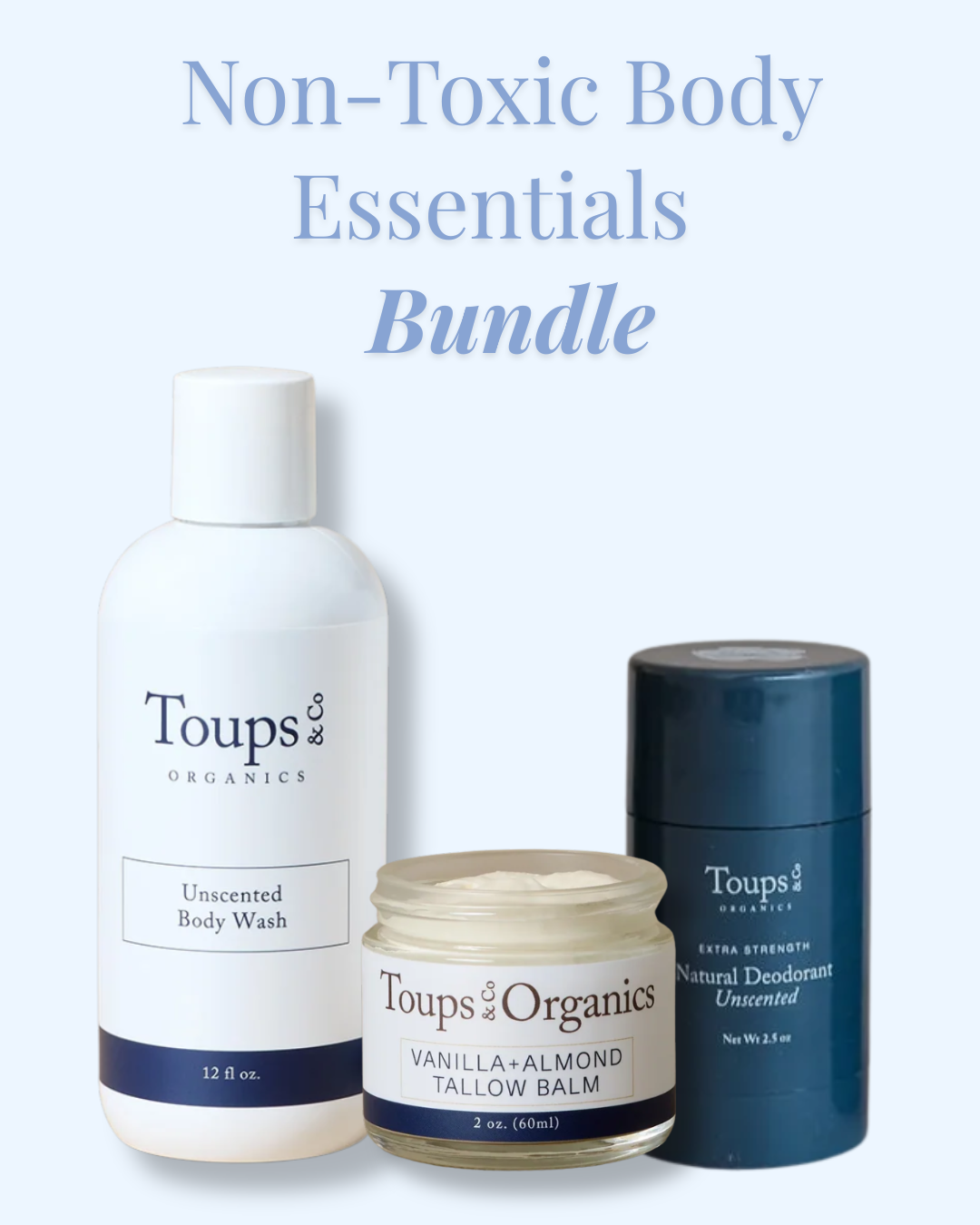
The most common reason people stall on non-toxic living is not effort. It is the assumption that it costs a fortune. It does not have to, and the expensive version is usually the wrong version.
Is non-toxic living actually more expensive?
Not necessarily. The costly way to do it is buying everything at once and buying the wrong things. The affordable way is prioritizing and pacing.
When you focus on the handful of items you use every day and swap them as you run low, the cost spreads out and the impact goes up. You are not funding a full-house overhaul, you are upgrading your defaults over time.
Where should you spend first on a budget?
Spend first on what touches you most often: your air, your water, and the personal-care and cleaning products you use daily.
These repeated exposures matter more than the products you use twice a year, so a dollar spent here does more work. That is the whole logic of low-tox living on a budget: chase frequency, not novelty.
How do you avoid wasting money on the wrong swaps?
Use what you have, read ingredients instead of front-label claims, and do not fall for greenwashing.
-
Finish products you already own, then replace with a cleaner version. Throwing everything out at once is what makes this feel expensive.
-
Ignore words like "clean," "natural," and "non-toxic" on the front. They are unregulated. Check the ingredient list.
-
Buy from a source that has already vetted the products, like from our website www.nontoxichomes.com which has over 200 vetted products.
How do bundles save money?
Bundles group a full routine at a lower total than buying each piece separately, and they remove the guesswork.
Our bundles save you 10% versus buying the products a la carte, and every item is vetted to the same standard. You get a complete routine, a smaller total, and none of the time spent researching each product on its own.
What are some affordable non-toxic swaps to start with?
The best budget swaps are the ones that replace something you use daily and, ideally, replace more than one thing at a time. Here are five that fit both tests.
Activated Charcoal Deodorant Cream, Little Seed Farm, $14.99
Most "natural" deodorants trade aluminum for baking soda, which is why so many people end up with red, itchy pits and decide natural deodorant does not work. This one uses activated charcoal and magnesium instead. If you are picking one swap to start with, this is it.
Facial Mist + Setting Spray, withSimplicity, from $10
One bottle doing two jobs is how you keep a routine cheap. It sets makeup and refreshes skin midday, which means you are not buying a separate toner and a separate setting spray.
Tallow Balm, Original, Toups & Co, $32
This is the highest-leverage skincare purchase on the list because of what it replaces: face cream, body lotion, and hand cream. Grass-fed tallow is close in structure to the lipids your skin already makes, so it absorbs instead of sitting on top. One jar, three product categories gone.
Blush, Dusty Rose, Toups & Co, $28
Makeup sits on your face all day, so it is worth swapping before the products you use once a month. Start with the one you reach for every morning, not your whole kit.
All five together land just over the $100 free shipping threshold, if you would rather do one order than five.
A simple, budget-friendly starting plan
Pick one category, swap as you run out, and use a bundle to cover a full routine at once.
Start with daily-use products that replace more than one thing: a deodorant, a multi-use balm, a dual-purpose mist.
If you want the easiest starting point, a bundle bundles the decision and the savings together. Browse the bundles, or start small with a single swap in the shop.
Frequently Asked Questions
Do I have to replace everything at once?
No, and you should not. Use up what you have, then swap to a cleaner option as you run out. Pacing your swaps is what keeps non-toxic living affordable.
What is the cheapest first swap to make?
Start with a daily-use item you are already about to run out of, like deodorant or an everyday cleaner. Frequency of use matters more than price.
Are non-toxic products less effective?
Some are, and that is usually a formulation problem, not a category problem. A well-made plant-based cleaner will handle daily messes fine; the failures tend to show up in heavy degreasing and stain removal, where you may need to let the product sit longer than you are used to.
If I can only afford one, water filter or air purifier?
Water, for most homes. You drink and cook with it every single day, and a good filter is a one-time purchase with cheap replacement cartridges. Air purifiers matter, they just tend to be the second buy.
Should I swap my kids' products before my own?
Start with whatever gets used most, in your house, by the smallest bodies. In practice that is usually bath products, laundry detergent, and anything applied to skin daily. Our guides break this down room by room.
