

Cart
0
My Current Supplement Routine (and Why It's Short)
I get asked about my supplement routine constantly, and I think people expect me to rattle off a list of thirty bottles. The reality is a little anticlimactic. My routine is short, and that is on purpose.
I currently cycle my supplements, do an annual GI, Hormone, and Blood panel that then may show me what I need to tweak to optimize my body. I am also always open to trying new things, but I am very skeptical about supplements that promise the world and deliver nothing.
Here is my honest stance: most people are over-supplemented and under-nourished. The wellness world has turned supplements into a personality, and the result is a lot of expensive urine and a medicine cabinet that looks like a small pharmacy. I want to share with you how I decide on my protocols.
My three rules before anything earns a spot
First, food comes first. No capsule outperforms a plate of real, nutrient-dense food eaten without stress. Supplements are there to fill genuine gaps, not to paper over a diet that needs work.
Second, test, do not guess. The most useful thing I have ever done for my own health was look at actual labs instead of guessing based on a podcast. What my body needs is not what yours needs, and a routine built on real data beats a routine built on trends every time.
Third, quality is the whole game. A supplement is only as good as what is in it and what is left out. Cheap fillers, synthetic additives, and fairy-dusted doses are everywhere, even on shelves marketed as clean. This is exactly why every supplement I carry goes through the same vetting as everything else in the shop.
What is actually in my routine
Foundational protein support. I lean on an essential amino acid blend rather than chasing protein powders with long ingredient lists. Aminos are the building blocks my body uses for muscle, repair, and steady energy, and a clean formula gets the job done without the additives. I use Ora for myself and Kika Nutrition for kids.
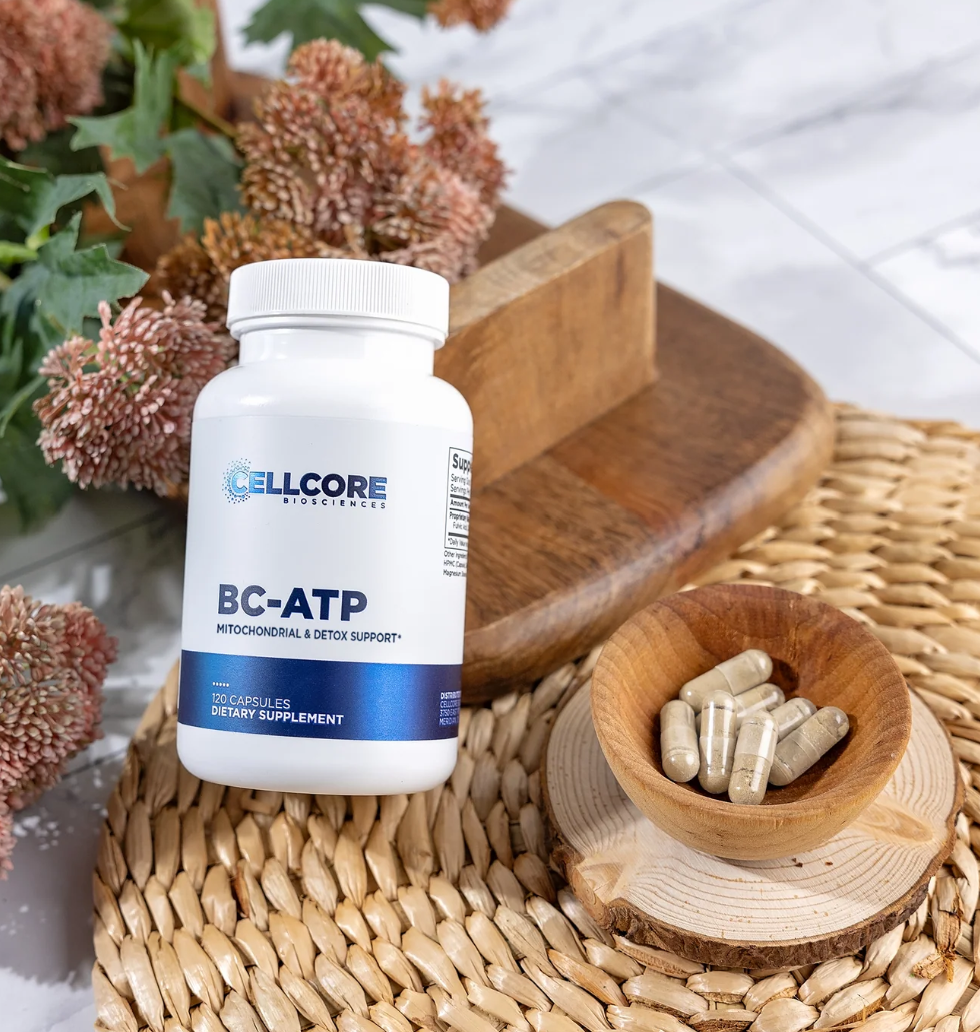
Gut and detox support. I use Critical Digestion with meals for bile support and Proflora for my daily probiotic. I also reach for BC ATP if I need additional detox support.
Magnesium. The mineral most of us are quietly low on, and the one I am least willing to skip. It supports sleep, muscle relaxation, and a calmer nervous system. I take Women’s Symmetry.
Omega-3s. For the everyday inflammation support that most modern diets fall short on. I look for third-party tested fish oil so I know what I am actually getting.
Creatine and collagen, every single day. Both go straight into my morning matcha, one scoop each, no overthinking it. Creatine is one of the most researched supplements out there for strength and steady energy, collagen supports skin, hair, and joints, and stirring them into a drink I'm already making is exactly why I never skip them.
That is close to it. No miracle powder, no twelve-step morning stack. The goal was never to take more. The goal was to take the right things, consistently, and let my food and my habits do the heavy lifting.
Why I keep it this minimal
Every supplement is a job your body has to manage. More is not more. A focused, high-quality routine that matches your actual needs will always beat a cabinet full of bottles you bought because someone with great lighting told you to.
If you take one thing from this, let it be the boring one: get your labs, eat real food, and add only what fills a real gap. That is not a sexy protocol. It is just the one that works.
A quick and important note: this is my personal routine, not a prescription for yours. Supplements affect everyone differently, some interact with medications, and what is right for you depends on your own body and history. Work with a practitioner who can look at your labs before you build your own.
FAQ
Do I really need supplements if I eat well?
Maybe, maybe not. A nutrient-dense diet covers a lot, but modern soil depletion, stress, gut issues, and life stage can create real gaps that food alone does not close. The honest answer is that you will not know what you need without testing, which is why I am cautious about blanket recommendations.
Why do you take so few supplements?
Because more is not better. Every supplement asks something of your digestion and your liver, and a bloated routine often does more for the brand selling it than for you. A short, targeted routine built on actual need is almost always more effective than a sprawling one built on trends.
How do I know if a supplement is actually clean?
Read past the front of the label. Check for unnecessary fillers, synthetic additives, and vague proprietary blends that hide doses. Third-party testing is a green flag. This is the same scrutiny every supplement in the shop has to pass before it earns a spot.
Should I take magnesium at night or in the morning?
It really depends on the person, as it so often does. Many people find the glycinate form supportive in the evening because it can help the body wind down, but timing is individual. The more important focus should be on which form you are taking and for what benefit.

