

Cart
0
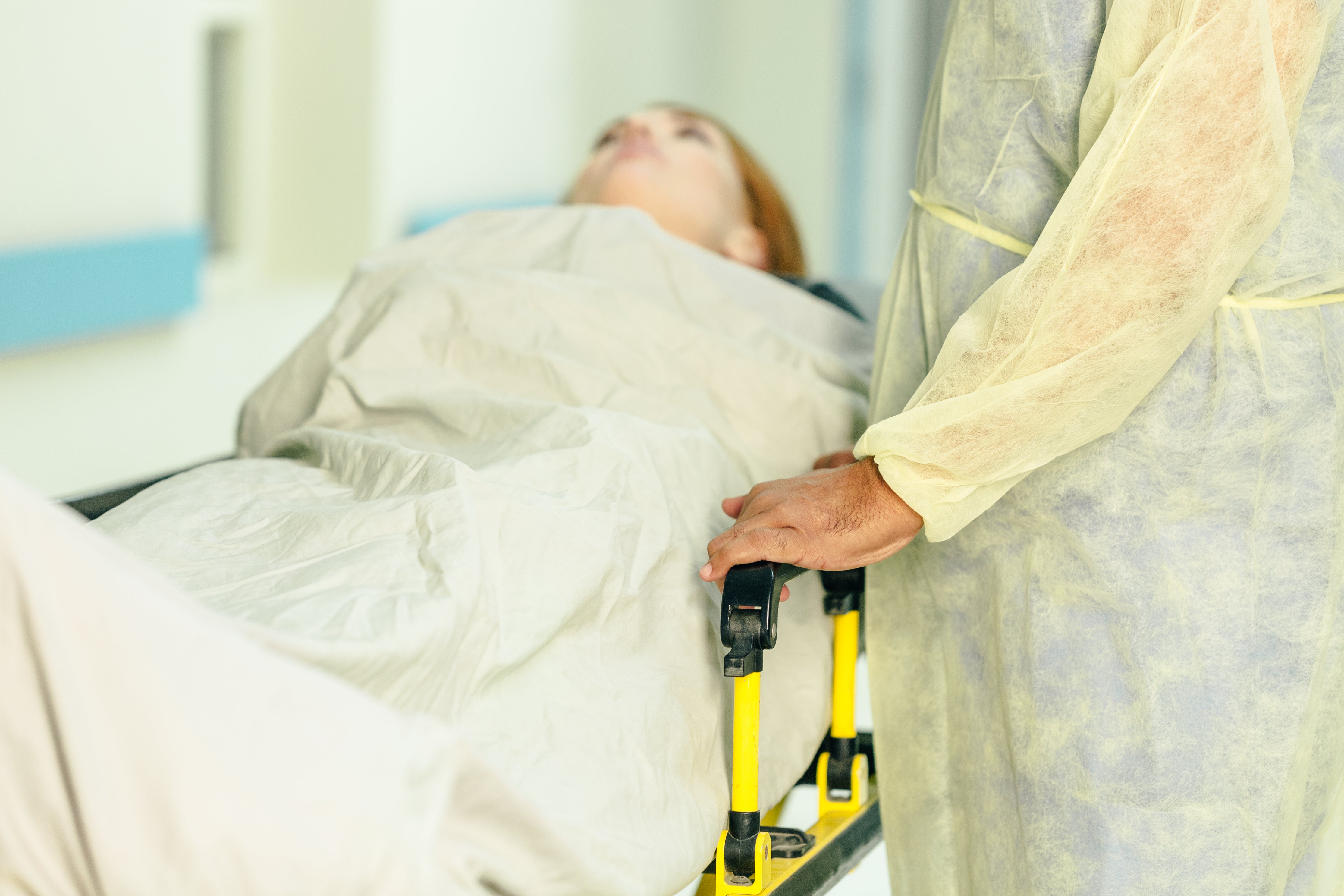
I’m Getting My Breast Implants Removed
At the end of October, I’m having my breast implants removed.
This is part of a bigger detox year for me, and part of how I’m getting my body ready to try to conceive again in 2027. I get one question constantly in my DMs, almost never in a comment thread, which tells you something about how loaded it is: should I have my implants removed?
I can’t answer that for anyone else. What I can tell you is what I actually found when I went looking for answers, what my own decision looked like, and who I chose to do the surgery. That is the useful version. Here it is.
Who I was when I said yes
I got my implants over ten years ago. I was a different person with different priorities, and I mean that literally, not as a turn of phrase. The version of me who booked that surgery was optimizing for how she looked. The version of me writing this is optimizing for how long she gets to live, and how well.
That shift didn’t happen overnight. It happened through years of building Non Toxic Homes, working with clients on their own toxic load, and slowly turning the same scrutiny on myself that I ask my clients to turn on their own homes and habits. Implants stopped fitting into that picture a while ago. I just needed to actually do something about it.
The diagnosis that came six months later
Six months after I got my implants, I was diagnosed with an autoimmune condition. I will never know for certain whether the implants had anything to do with that. Nobody can tell me that with certainty, and I’m not going to pretend otherwise just because the timeline is uncomfortable.
What I do know is that timeline stuck with me. It’s part of why, when I started reading about breast implant illness years later, I didn’t dismiss it the way I might have otherwise. Here is what I actually found.
Choosing my surgeon
I’m having my explant done by Dr. Robert Whitfield in Austin. He specializes in explant surgery and uses what’s called the SHARP method, a systematic approach to removing the implant and the capsule around it intact, rather than leaving tissue behind. His practice also sends the removed implants and capsule tissue out for testing, to check for biofilm, bacteria, and mold.
That testing mattered to me specifically. If something has been sitting inside my body for over a decade, I want to actually know what’s on it rather than guess. Whether or not it changes anything about my recovery, I’d rather have the information than not.
I’m not telling you to choose the same surgeon or the same protocol. I’m telling you what mine looks like, because when I was researching this, hearing specifics from someone who had actually gone through it was more useful to me than any general advice.
What’s actually on the record
I did look at the research too, so here’s the short version. The FDA doesn’t consider breast implants lifetime devices, and since 2021 they’ve required a boxed warning because complications get more likely the longer implants stay in. Some patients report systemic symptoms, often called breast implant illness. There’s also a rare associated lymphoma called BIA-ALCL. None of that is internet rumor, it’s on the FDA’s own site if you want to read it yourself.
That’s the floor I needed under me before I could make this decision. What I’m more interested in sharing from here is what actually happens next, how the surgery goes, what recovery looks like, and how it fits into the rest of my detox this year. I’ll be posting about it as I go, so stay tuned.
Does removing implants resolve symptoms?
Sometimes, and sometimes not. The clinical research alone won’t give you a straight answer, it’s mostly observational and patient-reported, so anyone promising a guaranteed fix is telling you more than the data actually supports.
But I can tell you what I’ve watched happen outside of a study. People I know personally who’ve had this done describe it as life changing, symptom-wise, and when they’ve had labs run before and after, their inflammation markers have backed that up. In my own practice, I’ve worked with clients who’ve gone through explant, and one thing I see consistently afterward is their mold markers coming down significantly.
That’s not a promise and it’s not proof. It’s just the honest version of what I’ve actually seen, and it’s part of why I’m doing this myself.
Questions worth bringing to a consultation
A consultation goes better when you arrive with specifics. These are the ones I would not skip.
What type of implant do I have, and is it textured or smooth? If you do not know, your original operative report should say. Request it before the appointment.
What is your approach to the capsule? The scar capsule that forms around an implant can be left in place, partially removed, or removed intact. Surgeons differ, the terminology varies, and this is one of the most consequential differences between two surgeons quoting the same procedure.
How many explants do you perform, and what does your follow-up look like? Volume matters. So does whether the practice has a plan for the months after surgery.
What should I expect if my symptoms do not improve? Ask it directly. The answer tells you a great deal about whether you are talking to someone who will keep working with you or someone whose involvement ends at the six-week check.
What are the risks specific to me? Every surgery has them. Explant is a surgery.
Bring a written list. Bring someone with you if you can. Being the person who asks the specific question is not being difficult, it is being a patient with good information.
Excited and terrified, both at once
I’m not going to pretend this is a decision with zero feelings attached. I’m excited. I’ve wanted this for a long time, and having an actual date on the calendar feels like relief. I’m also scared.
Physically, I’m going from a full cup back to my natural, itty bitty size, and I’d be lying if I said that part is easy for me to think about. Ten years is a long time to get used to a body. I’m allowed to be excited about this reset and still grieve the version of myself I’m leaving behind. Both things are true at once.
This surgery is one piece of a bigger reset for me this year, physically and otherwise, as I get my body ready for what’s next, including trying to conceive again in 2027. I wanted to say that plainly instead of only writing the clinical version of this post, because the clinical version is useful, but it isn’t the whole truth of what this decision feels like.
Where non-toxic living actually fits into this
Less dramatically than the internet would like, and I would rather tell you that than sell you something adjacent to a surgical decision.
Explant is a medical decision made with a board-certified surgeon. It is not a toxic load problem and it will not be solved with product swaps. Anyone routing you from this question to a shopping cart has lost the thread.
What is true is that if you are in the research phase, which can take months, your daily exposure load is one of the few things you can act on this week without anyone else's calendar. Not as a substitute. As the thing you can control while you work out the thing you cannot.
That is where I start with most people, on this and on almost everything else: find the variable that is actually in your hands and work on that one first. If you want a place to start, begin with the products you use every single day (link: https://nontoxichomes.com/blogs/blog/new-to-non-toxic-living-here-s-exactly-where-to-start), because frequency is what makes a swap matter.
And if you want structured help working through your full exposure picture rather than guessing, that is what the consultancy is for (link: https://nontoxichomes.com/pages/toxin-consultancy).
The short version
Implants are not lifetime devices, and the FDA says so. There is a boxed warning, and it exists for a reason. Reported systemic symptoms are numerous enough to be acknowledged by regulators and not yet explained by research. A rare associated lymphoma is documented. And whether removal resolves symptoms is a question the evidence has not settled.
None of that tells you what to do. All of it tells you what to ask.
I’m having mine out at the end of October. I’ll tell you how it goes.
This article is general information and is not medical advice. Decisions about breast implants or their removal should be made with a board-certified surgeon and your practitioner or physician.
Frequently Asked Questions:
What is the SHARP method? SHARP stands for Strategic Holistic Accelerated Recovery Program, a protocol developed by Dr. Robert Whitfield built around five stages: preparation, testing, surgery, recovery, and long-term maintenance. It addresses factors such as toxin burden, gut health, and hormones before and after explant, and includes monitoring biomarkers afterward. It describes the whole program around the surgery rather than the surgical technique itself.
What is an en bloc capsulectomy? En bloc capsulectomy, also called total intact capsulectomy, is the surgical technique in which the implant and the scar capsule surrounding it are removed together in one piece rather than separately or partially. Surgeons differ in their approach to the capsule, which is one of the most consequential differences between two surgeons quoting the same procedure.
Are breast implants lifetime devices? No. The FDA states that breast implants are not lifetime devices and that the longer they are in place, the greater the chance that a complication will require removal or replacement surgery.
Why does the FDA require a boxed warning on breast implants? The FDA began requiring a boxed warning and a patient decision checklist in 2021 to ensure patients are informed before surgery that implants are not lifetime devices, that complication risk increases over time, that some patients report systemic symptoms, and that implants have been associated with a rare cancer of the immune system.
What is breast implant illness? Breast implant illness is the term used for a cluster of systemic symptoms reported by some people with implants, including fatigue, joint pain, cognitive difficulty, and hair loss. It is not a formal diagnosis, there is no diagnostic test, and research into causation is still developing.
Does explant surgery resolve breast implant illness symptoms? The evidence does not support a definitive answer. Some people report significant improvement after removal, others report partial or no improvement, and the available research is largely observational and patient-reported. Anyone promising a guaranteed outcome is going beyond what the research supports.
What should I ask a surgeon before explant surgery? Ask what type of implant you have and whether it is textured or smooth, what the surgeon's approach to the scar capsule is, how many explant procedures they perform and what follow-up looks like, what happens if your symptoms do not improve, and what risks are specific to your case.

